Social Media Advertising 101: A Complete Guide to Creating Winning Campaigns
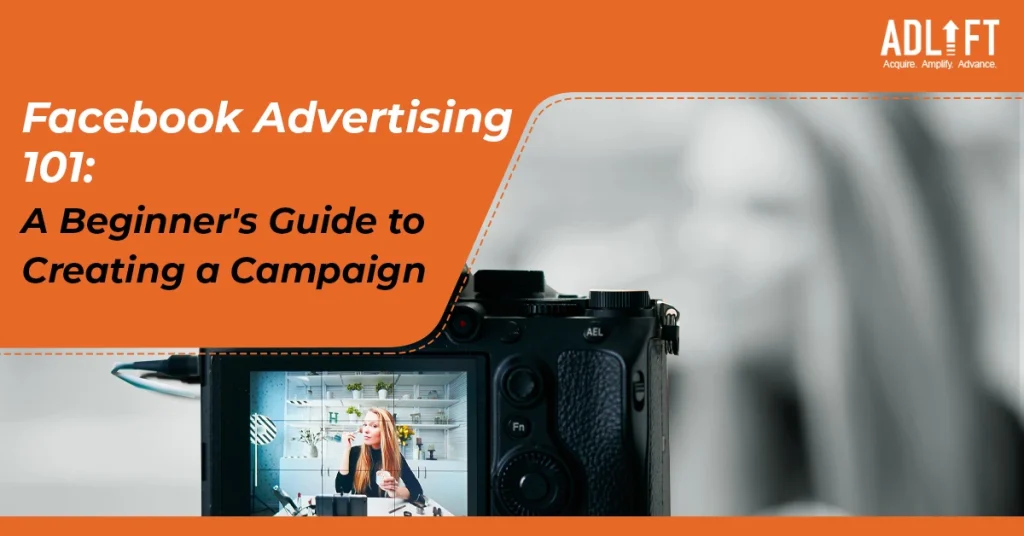
Social media now plays a vital role in our daily lives. It may surprise you to learn that there are more than 3.7 billion active social media users worldwide. That represents about 50% of the world’s population! It should come as no surprise that social media advertising has become crucial for companies trying to raise brand awareness and engagement—especially with such a large audience at their fingertips. However, having a social media presence alone is no longer sufficient because there are so many brands and companies vying for consumers’ attention. Conducting focused social media advertising campaigns is essential for efficiently connecting with and swaying your audience. Effectively designed and implemented social media advertisements can assist you in achieving a variety of marketing goals, including increasing website traffic, lead generation, and sales. We’ll offer a thorough how-to for developing social media advertising strategies that work and produce tangible outcomes in this blog post. You’ll acquire insider knowledge on how to pick the best platforms, set objectives for your campaign, create eye-catching ads, evaluate performance data, employ best practices for optimization, and actively engage your target market. This guide will provide you with practical techniques to create compelling and high-converting advertisements that stand out from the competition, regardless of your level of experience with social media advertising or your desire to enhance current campaigns. Now let’s get going! Recognizing Advertising on Social Media The act of promoting goods, services, or brand messaging on social media sites such as Facebook, Instagram, Twitter, LinkedIn, YouTube, Snapchat, Pinterest, and so on is known as social media advertising. In the era of the internet, it has grown to be a crucial component of digital marketing strategies. The following are the main advantages of social media advertising: Ads can be targeted with extreme precision depending on a variety of criteria, including demographics, interests, and actions. By doing this, you may avoid wasting money and connect with your target audience. Wide Reach: Social media is constantly used by billions of people worldwide. This makes it possible for your campaigns to reach a large audience. Cost-Effectiveness: When compared to traditional advertising, social media advertisements may be acquired for very little money. Campaigns can be started modest and scaled up as necessary. Measurability: To pinpoint the precise return on investment of your campaigns, you can monitor metrics such as impressions, clicks, conversions, engagement, and so on. Creative Options: Social media sites provide a wide range of ad styles, including carousels, stories, videos, and photos. This lets you make eye-catching and captivating advertisements. Advertising on social media requires a thorough understanding of your target market. You must investigate the age, gender, income, geography, and other demographics of your target audience. Finding out about their passions, interests, habits, and pain spots is also crucial. This enables you to create messaging that appeals to them and motivates them to act. Your adverts will receive a greater response the more relevant they are. It’s critical to track engagement metrics and to continuously optimize campaigns using the insights gained from them. This guarantees that the individuals who are most likely to be interested in what you have to offer will see it. Tip 1: Choose the Correct Social Media Networks Selecting the appropriate social media channels for advertising is essential for campaigns to be effective. Platforms that your target audience is actively using should be your first choice. Examine the tastes and demographics of your ideal clients to find out which platforms they use frequently. For instance, you may successfully reach teens and young adults if you’re targeting them with sites like TikTok, Instagram, and Snapchat. These platforms’ swipe-focused interfaces and brief video content are ideal for companies and services targeted towards young consumers. As an alternative, sites like Facebook and LinkedIn can be more appropriate if your objective is to connect with middle-aged professionals. For B2B organizations looking to attract senior decision-makers, LinkedIn is a great choice because over 75% of its population is over thirty. Facebook offers a wide range of possibilities for professional advertising. Social media sites like Facebook, Instagram, and Google let local companies use location-based micro-targeting. You might focus on particular cities or neighborhoods to increase your visibility to clients in the area. Examine the social media habits of your target market and adjust the platforms you use. By doing this, you can be sure that your advertisements are seen by the most engaged and responsive users. Tip 2: Clearly define your objectives and goals Establishing quantifiable targets and identifying your primary goals are essential when starting a social media advertising strategy. Having a well-defined goal will give you direction and make tracking your progress easier. Relevance of Particular Objectives You should specify one to three main objectives for your campaign. What do you hope to accomplish with advertising? Typical objectives consist of: Raising the exposure or awareness of the brand Producing conversions or leads Increasing website visitors Including your intended audience Strengthening consumer perception of the brand Sync your aspirations with the overarching aims of your company. Setting clear objectives aids in ad optimization and maintains consistency in your messaging. Advice Regarding KPIs and Metrics Once your campaign goals have been established, choose pertinent key performance indicators (KPIs) to measure your progress. Monitor data such as: Brand awareness: impressions and reach Leads/sales: purchases, form submits, and lead cost Traffic: Clicks, site visits, and click-through rate (CTR) Engagement: Likes, remarks, shares, and registrations for events Determining benchmark KPIs enables you to gauge ROI and performance. Analyze metrics in relation to your objectives regularly. Your campaigns’ efficacy will rise if you optimize using data insights. You can manage strategic advertising campaigns that are suited to your company’s requirements if you have well-defined goals and quantifiable KPIs. To increase your success on social media, keep an eye on your performance and adjust your goals periodically. Tip 3: Creating Eye-Catching Visuals and Ad Copy In social media advertising, attention-grabbing ad language and imagery are